(Cooke) J.A. Cooper 2023
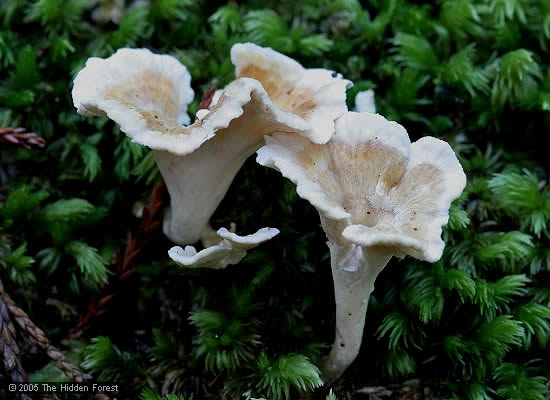
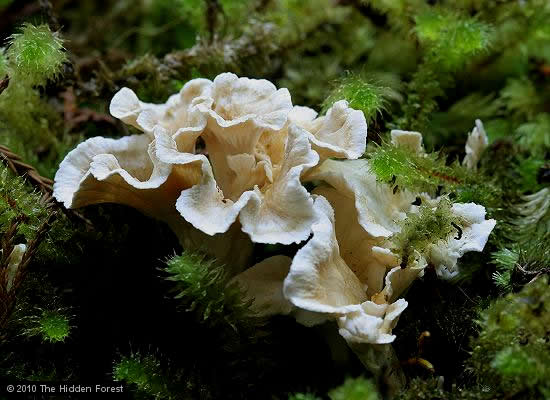
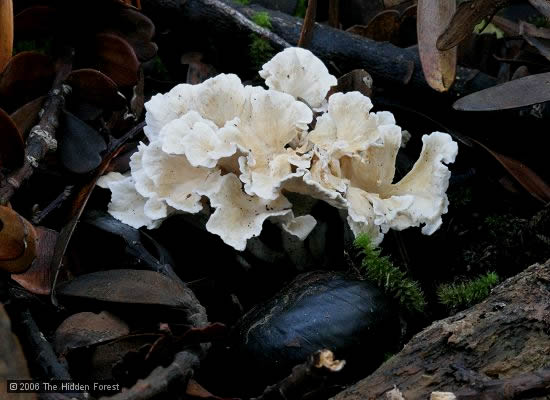
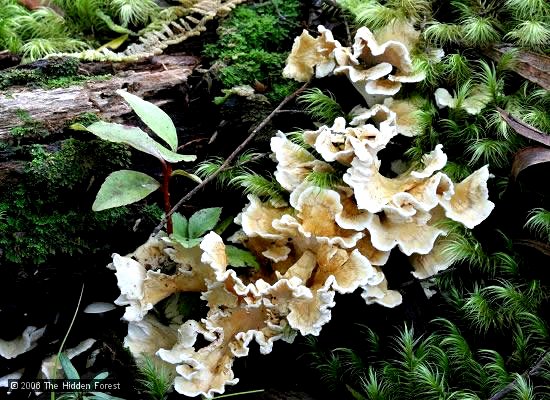
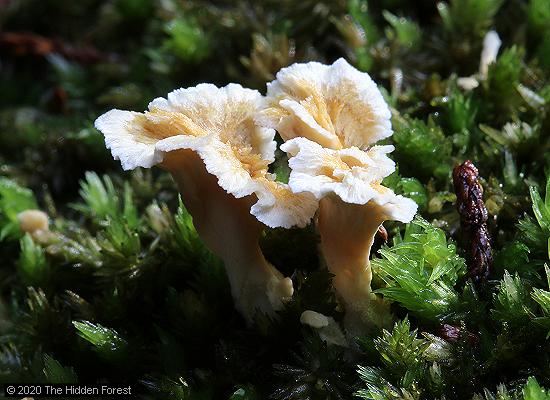
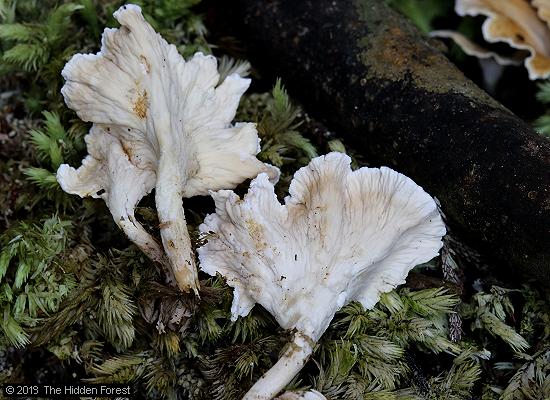
Podoserpula insignis is a small, fan‑shaped to flabelliform basidiome with a thin, lobed, striate margin, a smooth to wrinkled waxy hymenium, and a slender, tapering stipe. It grows erect and caespitose, forming small tufts on soil or humus. Unlike the tiered “pagoda fungi” of the genus, P. insignis produces a single cap, not stacked lobes. Appears in small tufts, sometimes several fruitbodies arising together. Originally described as Cantharellus insignis, it was transferred to Podoserpula when its smooth hymenium and non‑gilled structure were recognised as incompatible with chanterelles.
Cap: fan‑shaped (flabelliform), leather‑coloured (alutaceous), up to. 25 mm wide.
Margin: lobed, crenulate, and striate, often finely scalloped.
Hymenium: waxy (ceraceus), wrinkled (rugosus), darker than the upper surface.
Stipe: slender, 12-40 mm long, same colour as the cap, expanding upward into the cap, tapering downward.
Growth habit: erect, caespitose (in tufts).
Context: thin, leathery to cartilaginous.
Common name: None
Found: native Bush
Substrate: moss covered ground, well rotted wood.
Season: autumn
Height: 60 mm
Width: 35 mm
Edible: no
Spore: oval, 2-3 x 1.5 µm, brownish‑hyaline (fusco‑hyaline).
Basidia: 4‑spored.
Hyphae: monomitic; clamp connections present.
Cystidia: absent.