Amylocorticiaceae
Common Names
Species Menu
Family Menu
Identification Guide
Fungi
:>
Basidiomycota
:>
Agaricomycetes
:>
Amylocorticiales
:>
Amylocorticiaceae
:>
Podoserpula
.
Another small genus with few species, these have a southern hemisphere distribution. With New Zealand having four species. Two of which have only recently been named or moved from other genera.
Genus: Podoserpula
Podoserpula insignis
Podoserpula pusio
Podoserpula tristis
The Hidden Forest
Forest Fungi


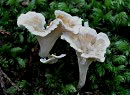 Podoserpula insignis
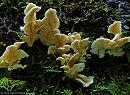 Podoserpula pusio
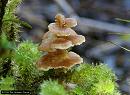 Podoserpula tristis